GHX Ep 4: Just…Stop…

Fred and Trees are joined by Jesus of the Horrible Gamers Podcast to discuss a bunch of things going on right now that, quite frankly, bug us. Instead of it being a whine fest the trio actually break down why these problems exist and how best to deal with them. Additionally there’s reader mail and a “Just Stop” for good measure.
Podcast: The History of CD-ROM Consoles, Part 2
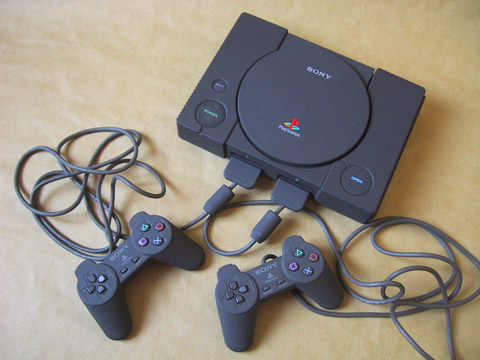
This week Fred sits down with Ali of 42 Level One to discuss the more popular 32-bit generation of CD-ROM consoles. What started as a disaster with the 3DO Interactive Player gave way to the big releases of the Sega Saturn and the Sony Playstation. While the Saturn may seem dead in the water for the West, it was a strong presence in the East. Finally everything wraps up with the beloved console that lacked sales: the Sega Dreamcast.
River City Ransom: Underground Review

To appreciate River City Ransom: Underground it’s probably best you know about its predecessor, River City Ransom, which is a beloved NES title with a cult following. A Western-localized version of Downtown Nekketsu Monogatari from Japan, Technos created a long-running series known best as “Kunio-kun” titles given that the lead, Kunio, appears in every game. River City Ransom was the only action brawler in the series to make its way to the States and fans have been pining for another game in the series since the original premiered in 1990. Since then Technos Japan has closed, been reborn as Million, and while Japan has received consistent releases over the past two decades there’s been almost nothing to show for it in the West. That’s when Canadian-based developer Conatus Creative decided to acquire the rights to make a River City Ransom follow-up. The result has finally arrived with River City Ransom: Underground proving that it is possible to make a sequel to a 20-year-old game and do a great job at it. Those who remember playing the original alone or with a friend on the couch will be in for a treat, but if you’re hoping to utilize modern online gaming, this title is still a work in progress.
 From start to finish the mechanics of River City Ransom: Underground are spot on. The game acts as a direct sequel to the original and has an appropriate prologue set on re-establishing the two leads, Alex and Ryan, as they confront and defeat Slick on the school rooftop. It’s much akin to the Dracula fight at the beginning of Castlevania: Symphony of the Night that re-hashes the battle from the end of Rondo of Blood. Upon jumping into the present you are greeted with four new protagonists, each one with a distinct fighting style, and off you go. You’re either a fan of the brawler genre – namely Renegade, Double Dragon, and of course River City Ransom – or you’re not, which only bears mentioning because Underground is cut from that cloth. Any criticism weighed against the genre applies to Underground as well, but beyond those caveats I must admit the single player campaign really has none. It’s an ideal follow-up.
Opinion: Gamers Don’t Want A “Netflix of Video Games”
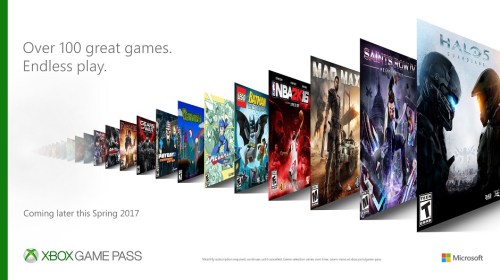
Earlier this week, Xbox Director of Programming Larry Hryb (aka Major Nelson) announced that the Xbox Game Pass was coming this Spring. For a fee of $10 per month, Xbox One owners (at first) will gain access to 100 games that they can download and play. Much like the Netflix model, the games are a rotating selection that can change each month, and they will vary from Xbox One titles and backward compatible Xbox 360 titles. Those in the preview program have alpha access to about 20 games ranging from titles like Halo 5: Guardians, Mad Max, and Payday 2 on the Xbox One as well as 360 titles like Fable III, Tekken Tag Tournament 2, and Lego Batman. This is the next step towards video games being much more like movies in that you can pay a flat rate and have access to a selection of titles and it takes those efforts one step further by allowing downloading to avoid the many troubles that streaming games currently has. There’s just one big problem: I don’t think gamers really want it.
It’s not just the Xbox Play Pass that gamers don’t want. We also don’t want Playstation Now, which is getting downsized at this moment to only support PC and PS4, but before that gamers didn’t really want Gaikai, OnLive, GameTap, or even the illustrious Sega Channel. I think this is more because it not only goes against the culture of what video games have always been, but it completely ignores the fact that a large portion of gamers play online with specific games. Personally I think this is a great idea for the non-hardcore gamer or even a house with gamer kids because it provides a steady stream of titles, some new for the month and some returning, that you can enjoy without the fear of returning a game, trading it in, or even your parents having to budget for it. If you play console or PC video games in 2017 you do not have a budgetary constraint for $10/mo, period. As a child my mother made me a deal to get the Sega Channel – I was of the lucky markets in the Chicago suburbs to gain access to the service – and for $15/mo I had 50 Genesis games in steady rotation that I could always play in return for the fact that I wouldn’t be buying new games. Maybe I would have grown tired of this model, but for the year or so I had the Sega Channel this totally worked for my 12-year-old self. As adult gamers, I don’t see this being popular at all because all adults like the freedom to choose what they do and gamers in particular are a finicky bunch dead set on keeping up with the zeitgeist. I assure you that the current month’s, or even year’s, best releases will never be a part of the selection.
Podcast: U Didn’t Play Next
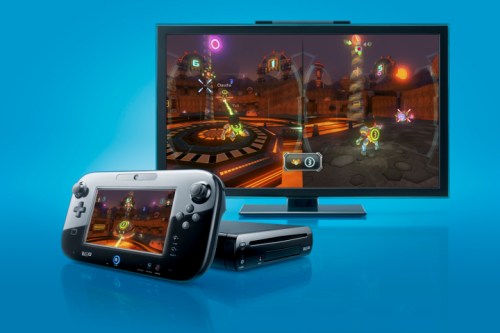
The Wii U was Nintendo’s follow-up to the widely successful Wii, but amidst an overall lack of interest to gamers it was met with mostly resistance. The slogan “How U Will Play Next” was far from accurate and thanks to a lack of consumer understading of what the console on top of the scruitiny leveled against the library it was never much of a success. Still, Fred has fond memories and he takes you through the journey of the Wii U from announcement to today.
GHX Ep 3: Online Personas Only
Fred and Trees are joined by Wolfy of overclock.net’s podcast. The episode is chock full of discussion involving the Switch and Zelda: Breath of the Wild but there’s also plenty of room for other big and indie games along with plenty of fun discussions.
Podcast: Twin Renegades (Double Dragon Franchise)

This week Fred is joined by guest Travis (@TheHibkiTMD) to discuss the Double Dragon franchise. An interesting series spawned from the arcade as a spin-off franchise of the Kunio-Kun series, followed by a slew of ports, and an alternative style and series on the NES.
GHX Ep 2: Do Gamers Do That?
This week Fred and Trees have a blast from the past guest on, Heffe! The discussion delves mostly into the behavior of gamers regarding the sale of E3 passes to the public, PS4 Pro’s “boost mode” potentially selling more consoles, and the illustrious art of pre-ordering.
Podcast: Press X To Be Awesome

This week Fred is joined by Eric from the Everyday Gamers to discuss the history of the Quick Time Event or QTE. They go all the way back to the origins of the genre, the games that led into today’s definition, and some of their favorites.
Perspective of a Retro Gamer: Resident Evil 7
This series is basically a review of a modern game but with the context of a retro gamer visiting the present. As such it does not contain a review score and often speaks to concepts and franchises from the past. This article is spoiler free outside of what is revealed in trailers and public demos, which is why the screen shots are so vague.
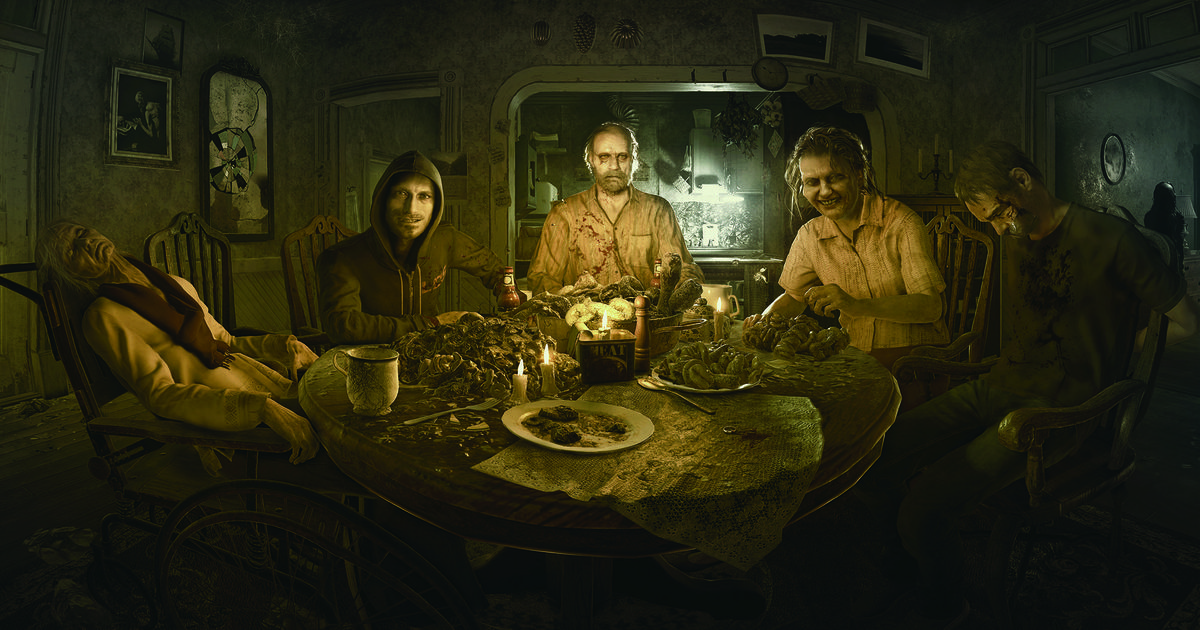
Resident Evil has had a rocky journey over the last five years, up to and including the “Beginning Hour” demo for this very title. The comparison to P.T., Hideo Kojima’s “playable trailer” for Silent Hills that has since been canceled by Konami, is unmistakable. I don’t know about the rest of you, but I don’t want my Silent Hill getting mixed into my Resident Evil, the two should remain mutually exclusive. Couple that with the recent missteps of Resident Evil 6, my personal distaste for Revelations 2, and whatever goal Umbrella Corps. had, it wasn’t looking good. I for one was also a bit worried about the hodgepodge of features thrown at this title including support for 4K resolution, PS4 Pro support, Playstation VR support, and HDR support on all platforms. To my shock and awe, every bad indicator going into the release was without merit as Resident Evil 7: Biohazard demonstrates a return to form I have not felt since the remake of the original on GameCube in 2002.
 Set in an old farm house in Louisiana, you play as main protagonist Ethan in search of your girlfriend Mia, who went missing years ago. Those that played through the “Beginning Hour” demo, especially if you caught the final “midnight edition” will find the opening scenes to be familiar but clearly re-engineered. I like this touch and I feel it was necessary for how many times Capcom made us play that thing in hopes to figuring out what was with the dummy finger and several other mysteries from the last six months. While it’s interesting to play through – not to mention the reward you receive for completing it with the good ending and the on-edge “kitchen” demo on Playstation VR – none of this is required if you’re just jumping into the main game. It reminds me why I’ve always appreciated the original work Capcom did on the Resident Evil series. Whether it was “arrange mode” in the original, the way the mansion was reworked in the remake, or even the drastic differences between the shack in the demo and the main game of Resident Evil 7, you won’t be able to guess what’s coming. After that opening sequence you will descend into a literal house of horrors and beyond that kept me on the edge of my seat and thoroughly creeped out for a majority of the game’s 8-12 hour campaign.
 Gaming History 101