Archive for the ‘PC/Mac’ Category
Podcast: Ghouls, Ghosts, ‘N Goblins
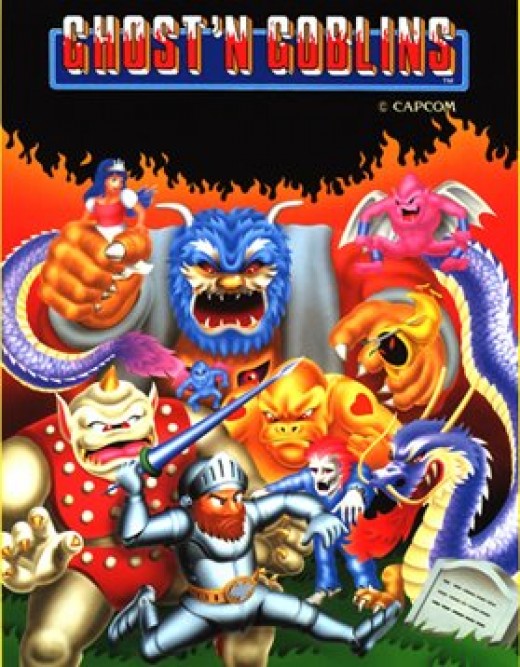
This week Fred and Jam are discussing the Capcom series Ghosts’N Goblins (or Makaimura if you prefer). Easily one of the most punishing franchises ever created, the boys tackle the trials and tribulations of Sir Arthur on a never ending quest to save his girlfriend. Along the path he will traverse to various worlds, see terrible beings, and of course battle the many derivatives of the Devil.
Download this episode (right click and save)
Subscribe: RSS iTunes Google Podbean
And just for fun, have a video of me cussing out the original for two hours:
Review: F.E.A.R.
 First Encounter Assault Recon (F.E.A.R. from now on) tries to be multiple things at once – a first person shooter (FPS) with a gimmick, a horror title, and a technology showpiece – and does a competent job, which is probably why some have claimed it’s the best FPS of all time. F.E.A.R. is far from the greatest FPS of all time, but it is a blast to play (especially in the dark) and combines that helplessness of being outnumbered and the rush of taking on those odds without so much as a scratch to show for it. The horror elements are more of a thematic tone for the minutiae, but the proper use of shadows, lighting, and occasional jump scares do help to justify it all. That and the two main antagonists, Paxton Fettel and Alma, do a fantastic job of creeping you out and making you dread the eventual encounter with either or both of them. Visually, especially on the PC, this title can go up against a decent number of today’s shooters and impress, so naturally it was a showpiece when it premiered in 2005. Put it all together and you get a game that shouldn’t be ignored.
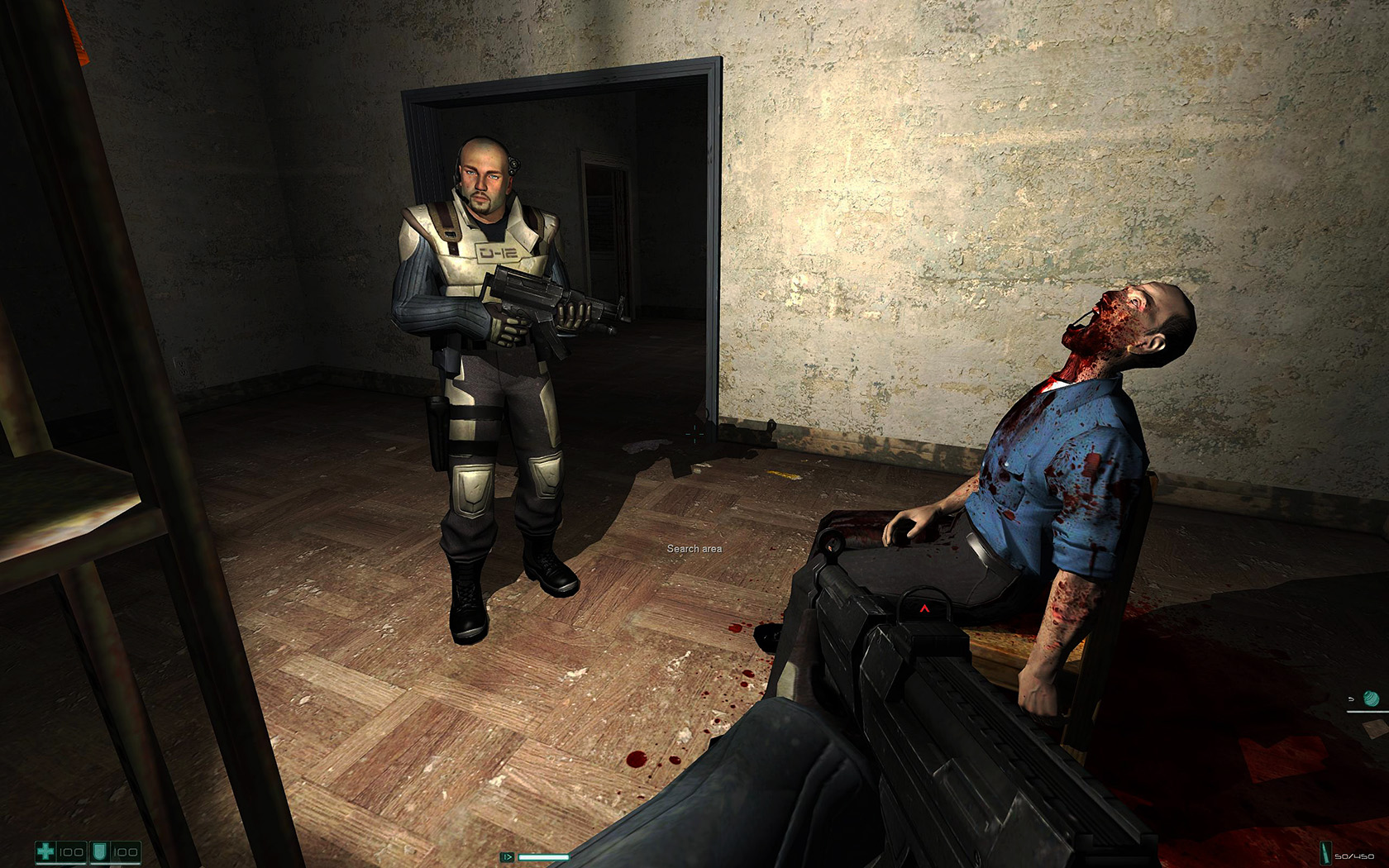
The F.E.A.R. team is a fictional spec ops group that works in tandem with Delta Force – a real military group – to handle special situations like the ones faced in the game. You play as Point Man (who’s name is withheld), the leader of F.E.A.R., which is most likely not a long lasting career because you are tasked with leading the assault along with cohorts Spen and Jin. A terrorist named Paxton Fettel has broken into a tech company named Armacham Technology Corporation (ATC in the game) and taken control of the genetically engineered super soldiers they were developing. As you progress through the game there are several encounters with Fettel that include his psychic abilities, apparent links with you, and his cannibalistic nature that also happens to consume the victim’s memories. Not only that, but a little girl named Alma appears to be roaming about the facility and her powers can cause…quite a mess. While there is a creepy supernatural story that unfolds as you progress through F.E.A.R., the brunt of the game’s overstretched 10-12 hour campaign will be corridor shooting and kill box ambushes against unfair odds to progress through what is quite possibly the largest building I’ve ever seen. To its credit the writing is good and distributes just enough information in an easily digestible and upfront fashion that when the twist hits at the end and the subsequent roller coaster of the epilogue, you know exactly what’s going on and why it’s significant. Also stay tuned after the credits for a bit more back story.
Review: Bioshock
 Bioshock was released all the way back in 2007 (which seems like quite a while in terms of game releases), near enough the same time as the launch of the Xbox 360. Before I re-played this game for the Game Club, my last save on the 360 was dated August 2009. So would you kindly take a seat and read on, as we see if Rapture is still a city worth re visiting or if it should stay at the bottom of the ocean.
In Bioshock you play as Jack, a character who doesn’t really say much. After surviving a plane crash and swimming to a lighthouse, you find underwater transportation to the city of Rapture, a so-called underwater utopia created by a man named Andrew Ryan. You quickly learn that Rapture is not the magical gum drop land it was probably intended to be because most of the residents have totally lost their minds and want to murder you. People seem to be hooked on something called ADAM which changes your genetic code, giving the recipient special powers. The game does a great job of explaining the story through use of audio diaries, which give audio-based background to the game while you are still playing. The story is filled with regular twists and turns that will keep you interested right up to the end. Since there is so much depth to the plot, I found I understood more when going through the game multiple times (not to mention these are hidden items that you can drudge for when not on an initial playthrough).
Bioshock plays as a first person shooter with role playing elements. The game gives very clear goals and even a quest marker for where to go. Don’t worry completionists, you have plenty of opportunity to explore the world and discover secrets and additional information of Rapture. You also find plasmids which unlock super powers for your character such as shooting electricity or even bees out your hands if you choose it. Alternatively you can use plasmids for more passive results such as improving your melee damage, healing abilities, and several other traits.

Version: Doom
I was gonna write a retrospective on this, but honestly in podcast form we’ve covered Doom not once, but twice! From those episodes came a project that has taken six months and over six hours to put together in one near 15 minute video. I compare the PC, 32x, Jaguar, SNES, PS1, 3DO, Saturn, and GBA versions of Doom so you don’t have to, complete with bad language and snarky remarks (sorry parents). Check out this version of Versions for Doom, but fair warning: there is some adult language.
Looking Back at Wolfenstein 3D
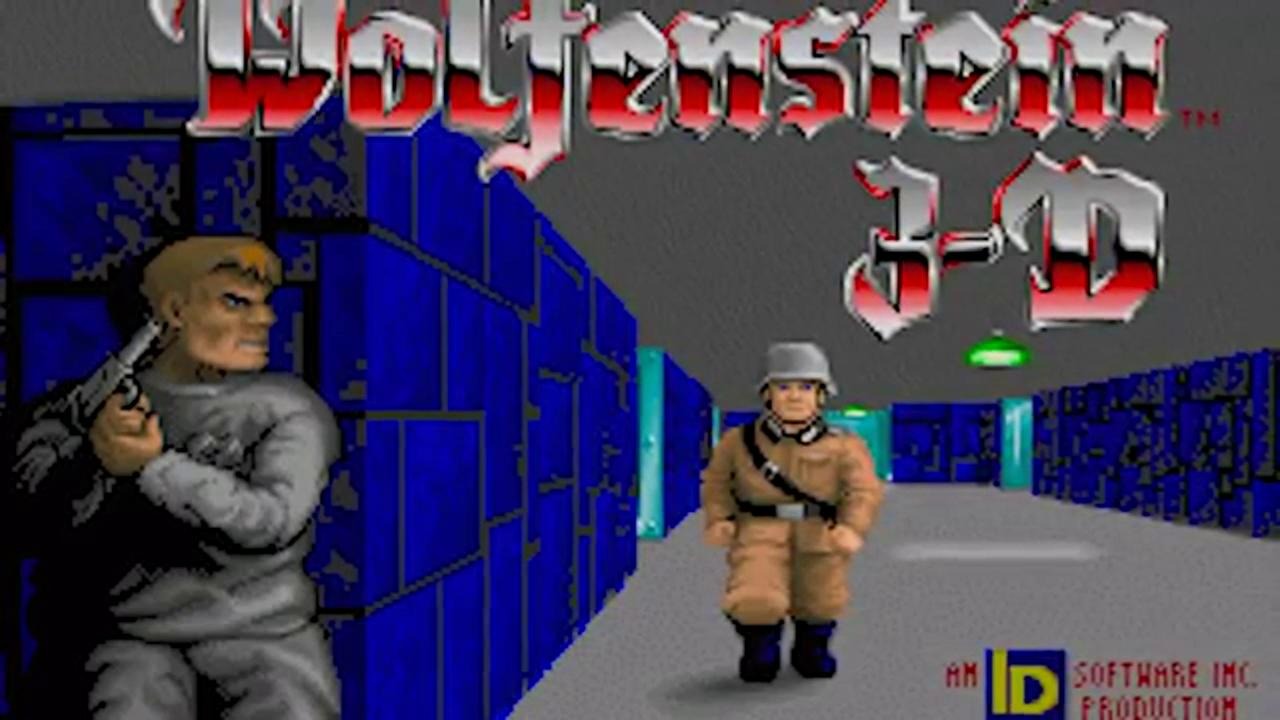
In truth the dawn of the first person shooter (FPS) and its popularity is more a case of luck as a group of intelligent designers got together and created pseudo-3D worlds. In 1991 John Carmack was accompanied by three others as the development team at id Software (that story was already told in our podcast) and funded by a company named Apogee (they also developed Rise of the Triad). Carmack had created the Catacomb 3D engine, which utilized ray casting to create 3D looking environments. In ray casting, basically lines are drawn in a grid and if they intersect a texture is placed at the intersection and over a grand enough grid, you get depth perception and a software-based flat image that looks like it’s in 3D. Combine that with the fact that Muse Software, developers of the innovative stealth-action Castle Wolfenstein title from the 80s, had let the license lapse and you have the building blocks of this innovation in game design. Apogee gave Carmack and his team $100,000 to develop a shareware title and they decided to move forward with Wolfenstein 3D.
Retrospective: Resident Evil 4
Now & Then is different from both a retrospective and a review. It tackles games you probably already know and is a place for gamers to discuss these games. Below is an overview of a game’s presence in the market then and now. Authors of these articles share their personal experience, so we encourage all of you to do the same in the comments.
Editor’s Note: Although I love classic games as much as the next guy, few games get to be restored as often as Resident Evil 4. Therefore, the recently released Ultimate HD Edition has the most cleaned up, 1080p native graphics to date and thanks to screenshot technology being what it is we were able to grab those assets directly from the game without any quality loss. We at GH101 have decided to feature screens from this version in the interest of clarity, despite the fact that they do not faithfully represent the graphical fidelity of the many previous versions. Hopefully purists will forgive us.
The Story of the Scrapped Versions
 Whenever a game sits in development hell for too long, it has an adverse affect on everyone’s feelings for the game. The examples are too many to count but a couple quick mentions are the likes of Diakatana, Too Human, and of course Duke Nukem Forever. With a few exceptions, games that take too long to make can’t help but not live up to the hype and therefore disappoint an all-too-eager audience. One of these exceptions is Resident Evil 4. Originally announced in 1999, the concept was a Playstation 2 game with a brutally strong protagonist that was more action focused per the ongoing desires of Shinji Mikami (series creator that has been trying to go more action oriented since Resident Evil 2). This new iteration was appropriately tasked to Hideki Kamiya, notable for his director work on Resident Evil 2, and in connection with Noboru Sugimura, writer of Resident Evil 2. After a European trip that netted a Gothic art style and given the goals of the game it was decided that the camera would have to be dynamic and movable (much like Capcom had started in Dino Crisis) and thus ditch the traditional pre-rendered background in exchange for a fully rendered world. Much of the development style, tone, and even Kamiya’s direction involved a what was described as a “cool” world and eventually it got so far removed from the roots of both the survival horror genre and Resident Evil series and instead integrated demons and a new protagonist, Dante. A small fraction of the Capcom Production Studio 4, named Little Devils, converted this new concept with the juggling bug this team had seen in Onimusha: Warlords and eventually renamed the project to Devil May Cry in November 2000. While it spun off to a good game and an ongoing franchise that still lives today, Devil May Cry left Resident Evil 4 in a rut without a dev team (and some hardcore RE fans still refer to the game as Resident Evil 3.5 since the core concepts remained intact).
Podcast: Would You Kindly
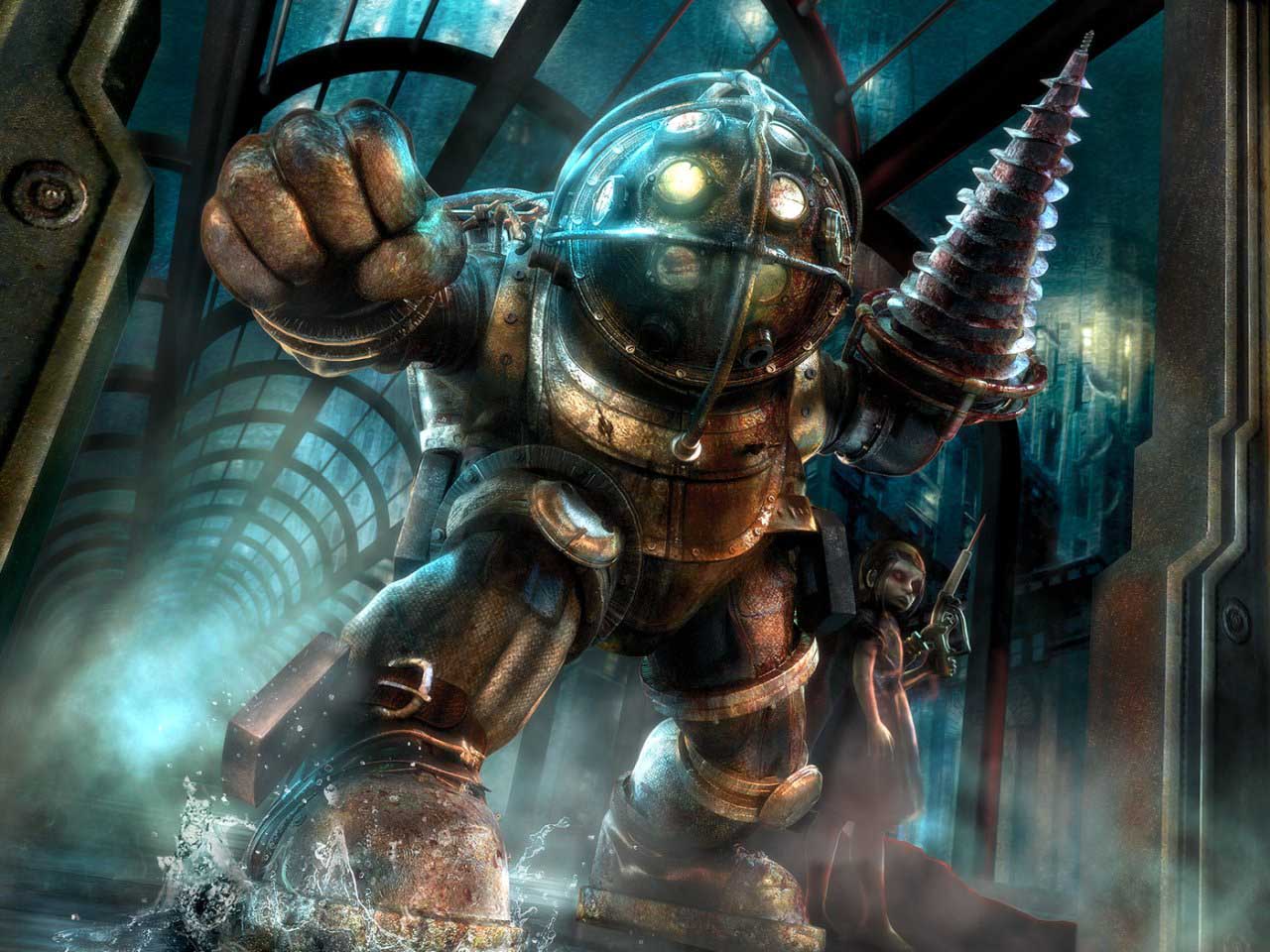
This week Fred and Jam tackle the Bioshock game club. Irrational Games (as 2K Boston) follow up the System Shock series with a new underwater utopia gone wrong and plagued by warring factions. With inspirations from popular culture and depression era architecture, Bioshock proves that the devil really is in the details.
Review: Dino Crisis 2
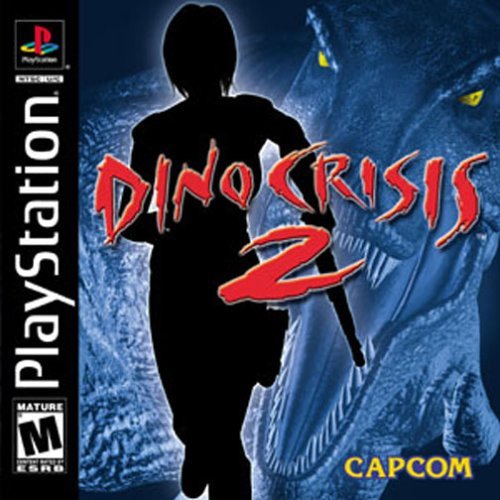 Console: Playstation, Windows
Released: 2000
Developer: Capcom
Publisher: Capcom
Digital Release? Yes, PSN version compatible with PS3, PSP, and Vita for $5.99
Price: $14.00 (disc only), $25.00 (complete), $50.00 (sealed) per Price Charting
Dino Crisis 2: The Lost World. Okay, it’s just Dino Crisis 2. Just a year after the first game, we get the second game from Capcom, and this time the developers decided to stray away from the survival horror gameplay and try take the series into a unique direction. This is where the series started to experiment and take a new direction in terms of gameplay and mechanics. So was the game a development success or should it be a forgotten fossil?
 Dino Crisis 2 has a rather complex plot from its predecessor. A city has vanished in time which was working with “third energy” and the survivors are now having to put up with some rather hungry Dinosaur residents. Regina from the first game and a team called TRAT (another great Capcom name) are sent through a time portal to rescue survivors. Surprisingly you begin the game as Dylan a generic looking army guy from TRAT. Throughout the game you will swap between Dylan and Regina who both use their own unique weapons. The plot is explained at the end of the game in a very long cutscene but it’s unlikely you will particularly care, the story really comes across as an after thought in this game.
Review: Dino Crisis
 Console: Playstation, Dreamcast, PC
Released: 1999
Developer: Capcom
Publisher: Capcom
Digital Release? Yes, PSN version compatible with PS3, PSP, and Vita for $5.99
Price: $7.50 (disc only), $10.00 (complete), $35.00 (sealed) per Price Charting
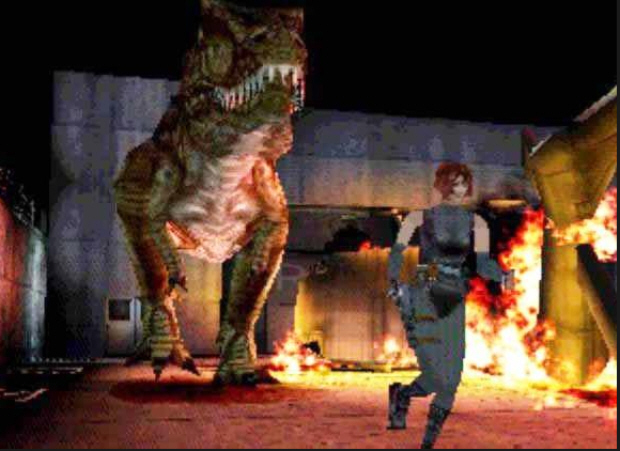
Dino Crisis really sounds like a winning formula if, like me, you are are fan of survival horror and dinosaurs. What could possibly go wrong? Well its time to revisit this Sony Playstation 1999 release and see if it stood the test of time or should have remained extinct.
Dino Crisis released when survival horror was hitting a peak in the industry, at least in terms of the “tank-like” control system. The Sony Playstation had plenty of games like it to offer. In the same year Dino Crisis released we also saw Silent Hill from Konami and Resident Evil 3: Nemesis also from Capcom. Interesting to note: Shinji Mikami – creator of the original Resident Evil – was heavily involved in the production of this game so much so his name was put on the front of the box in hopes it would sell the game. Clearly something worked as Dino Crisis managed to sell over one million copies.
Quick Look: Bioshock
This month’s game club is none other than the 2K Boston (Irrational Games) 2007 release Bioshock. Unlike many of the games in our game club, it’s not the first time we’ve touched this game so instead of the usual banter we focus on gameplay elements, historical development context, and of course the slew of minutia that makes this nearly 7 year old game seem timeless. Due to a microphone balancing issue, my commentary is sometimes drowned out by the game’s audio
 Gaming History 101