Archive for the ‘Reviews’ Category
Looking Back at Wolfenstein 3D
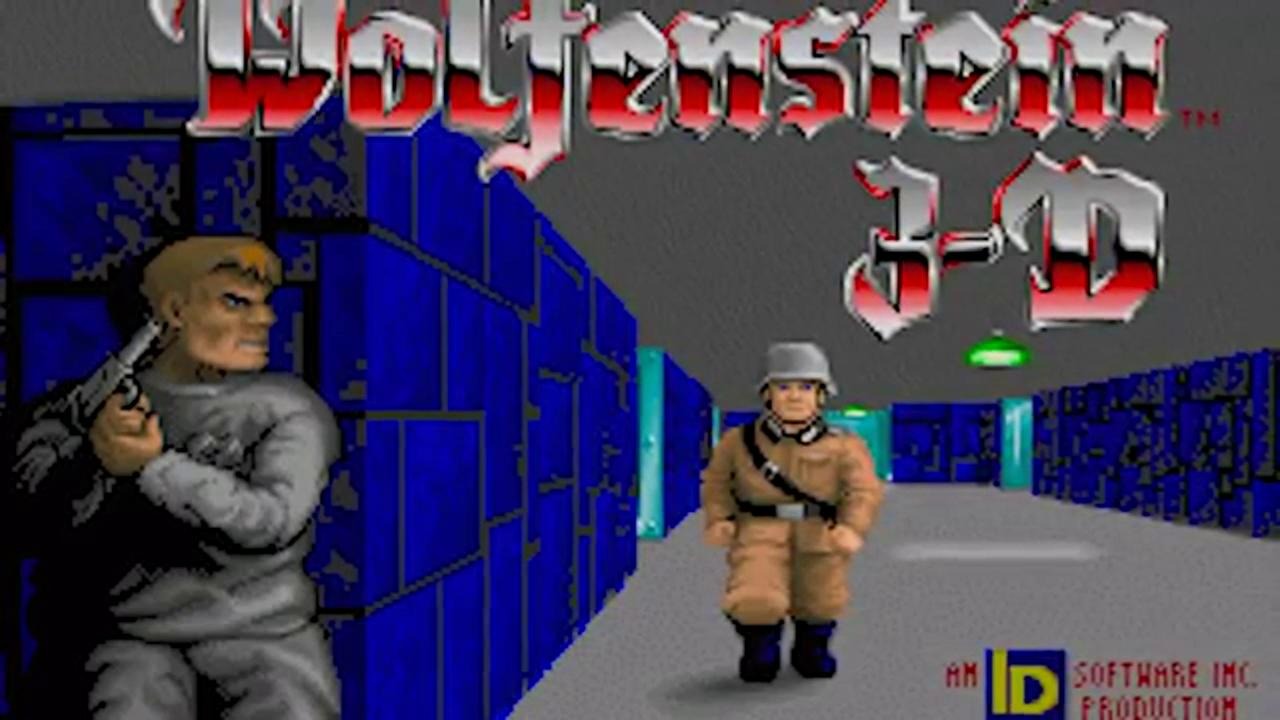
In truth the dawn of the first person shooter (FPS) and its popularity is more a case of luck as a group of intelligent designers got together and created pseudo-3D worlds. In 1991 John Carmack was accompanied by three others as the development team at id Software (that story was already told in our podcast) and funded by a company named Apogee (they also developed Rise of the Triad). Carmack had created the Catacomb 3D engine, which utilized ray casting to create 3D looking environments. In ray casting, basically lines are drawn in a grid and if they intersect a texture is placed at the intersection and over a grand enough grid, you get depth perception and a software-based flat image that looks like it’s in 3D. Combine that with the fact that Muse Software, developers of the innovative stealth-action Castle Wolfenstein title from the 80s, had let the license lapse and you have the building blocks of this innovation in game design. Apogee gave Carmack and his team $100,000 to develop a shareware title and they decided to move forward with Wolfenstein 3D.
Retrospective: Resident Evil 4
Now & Then is different from both a retrospective and a review. It tackles games you probably already know and is a place for gamers to discuss these games. Below is an overview of a game’s presence in the market then and now. Authors of these articles share their personal experience, so we encourage all of you to do the same in the comments.
Editor’s Note: Although I love classic games as much as the next guy, few games get to be restored as often as Resident Evil 4. Therefore, the recently released Ultimate HD Edition has the most cleaned up, 1080p native graphics to date and thanks to screenshot technology being what it is we were able to grab those assets directly from the game without any quality loss. We at GH101 have decided to feature screens from this version in the interest of clarity, despite the fact that they do not faithfully represent the graphical fidelity of the many previous versions. Hopefully purists will forgive us.
The Story of the Scrapped Versions
 Whenever a game sits in development hell for too long, it has an adverse affect on everyone’s feelings for the game. The examples are too many to count but a couple quick mentions are the likes of Diakatana, Too Human, and of course Duke Nukem Forever. With a few exceptions, games that take too long to make can’t help but not live up to the hype and therefore disappoint an all-too-eager audience. One of these exceptions is Resident Evil 4. Originally announced in 1999, the concept was a Playstation 2 game with a brutally strong protagonist that was more action focused per the ongoing desires of Shinji Mikami (series creator that has been trying to go more action oriented since Resident Evil 2). This new iteration was appropriately tasked to Hideki Kamiya, notable for his director work on Resident Evil 2, and in connection with Noboru Sugimura, writer of Resident Evil 2. After a European trip that netted a Gothic art style and given the goals of the game it was decided that the camera would have to be dynamic and movable (much like Capcom had started in Dino Crisis) and thus ditch the traditional pre-rendered background in exchange for a fully rendered world. Much of the development style, tone, and even Kamiya’s direction involved a what was described as a “cool” world and eventually it got so far removed from the roots of both the survival horror genre and Resident Evil series and instead integrated demons and a new protagonist, Dante. A small fraction of the Capcom Production Studio 4, named Little Devils, converted this new concept with the juggling bug this team had seen in Onimusha: Warlords and eventually renamed the project to Devil May Cry in November 2000. While it spun off to a good game and an ongoing franchise that still lives today, Devil May Cry left Resident Evil 4 in a rut without a dev team (and some hardcore RE fans still refer to the game as Resident Evil 3.5 since the core concepts remained intact).
Soliel / Crusader of Centy Review

 Console: Sega Genesis (Mega Drive in Europe/Japan)
Also Known As: Soliel (the title used in this review based on the writer being from Europe), Shin Sōseiki Ragunasenti (Dawn of the Era: Ragnacenty) in Japan
Released: 1994
Developer: Nextech
Publisher: Sega/Atlus (NA only)
Digital Release? No
Price: $134.00 (used, cart only), $309.99 (CIB), Sealed price is $109.52, but that’s biased because the only known copy was a random eBay listing in 2012 (according to Price Charting)
In the twilight years of the Mega Drives life a surprising amount of gems came out for the system, and one of the biggest surprises for me was the 1994 release Soleil (Crusader ot Centy for North America). Now I got very lucky finding this game when I was a lot younger. I was at a marketplace with my grandfather and I had saved up all my pocket money for four weeks to buy a game. Heading over to the only game stall in the entire market place I picked up the rather suspicious looking Soleil, a game I brought totally blind for eight British pounds and I was very impressed with what I found. Several years later, and revisiting the game, lets see how it holds up today.
Podcast: Would You Kindly
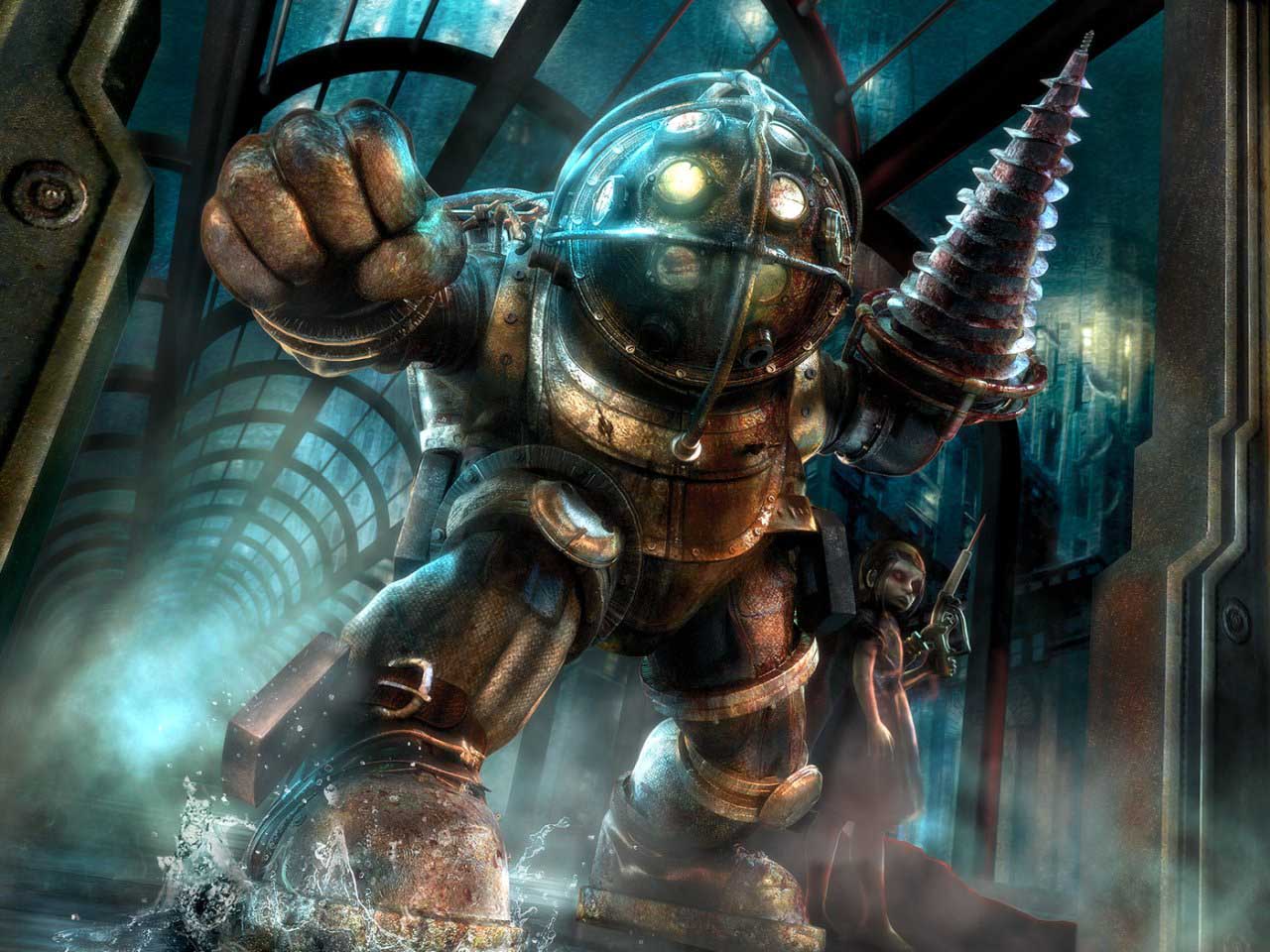
This week Fred and Jam tackle the Bioshock game club. Irrational Games (as 2K Boston) follow up the System Shock series with a new underwater utopia gone wrong and plagued by warring factions. With inspirations from popular culture and depression era architecture, Bioshock proves that the devil really is in the details.
I Love My MAME Cab
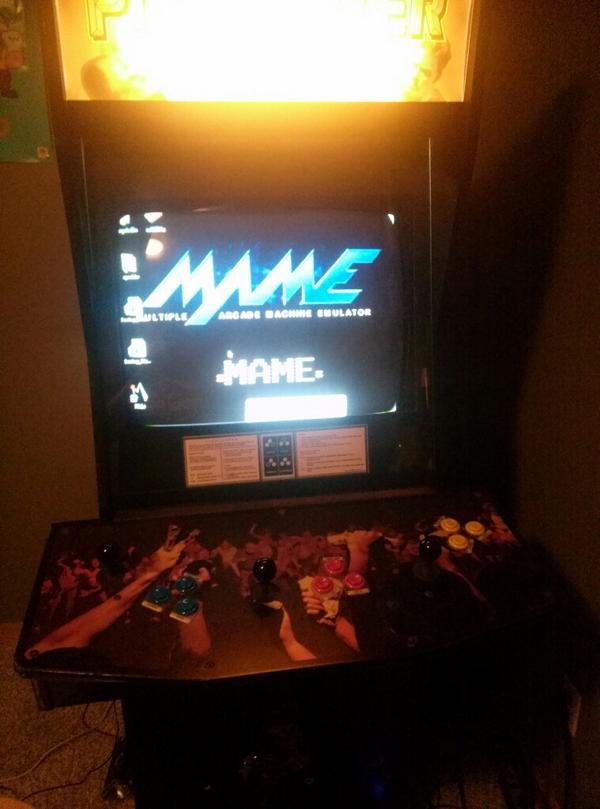 Man do I love my MAME cab. In the culture of emulation, I’m not too keen on the concept. I understand that emulation is necessary and that it has been an essential tool in not only archiving these great works of the past but also in allowing me to play import and fan translated games I otherwise never would have experienced. Still, I think that more often than not emulation gives way to piracy. If I want to go get Super Mario Bros 3 on NES, I’ve got a slew of choices: I can buy the original hardware and game, I can emulate illegally, or I can purchase legal emulated versions (Virtual Console). In most of those scenarios I opt to purchase the tangible hardware/game – but this is not always the case as I have never purchased a Turbografx-16 CD console to play the handful of favorites like Rondo of Blood and instead “settled” for emulated, legal, Virtual Console and PSN versions. On the arcade front the story is a bit different. Not only do I have to pony up large sums of money for the hardware/software – in this case being a working cabinet and PCB board – but I also have to make space, transportation arrangements, power consumption, safety, and in many cases repairs. It’s one thing to buy a PS1 game from Kentucky, have it shipped to you, resurface it if necessary, and then enjoy it. For a good working Salamander cab I may have to pay $500-$1,000 upfront on eBay, drive to Kentucky with a large truck, move the whole thing over 1,000 miles without damaging it and paying for gas/transport, move it into my house, and then most likely degauss a monitor, replace some wires, re-solder some button connections, and if I’m lucky I can play that single game for about 30 minutes before it’s time for my A.D.D. brain to move onto the next new thing.
Retro Game Night: Jaws Games
This week, for no particular reason, we decided to tackle Jaws games. There were three, but given time constraints we only tackled two: Jaws for the NES and Jaws Unleashed for the PS2. There may be a follow-up for Jaws: Ultimate Predator on the Wii.
Podcast: Genesis Does
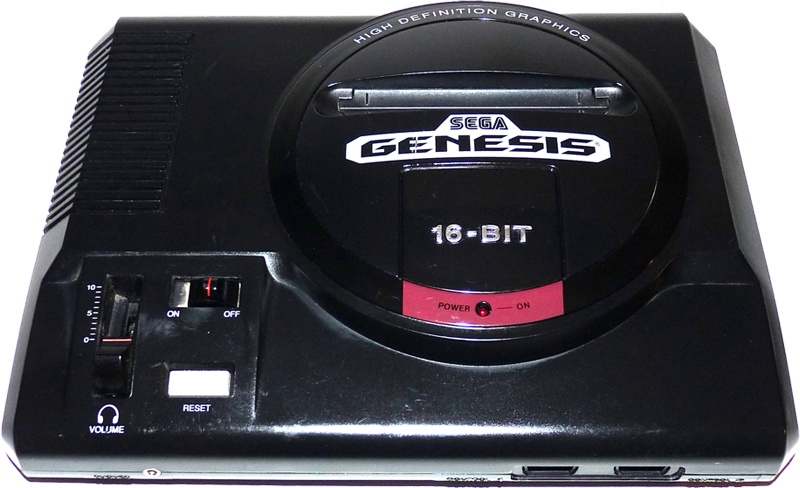
This week Fred, Jam, and Derrick from Dead Pixel Live are celebrating the 25th Anniversary of the Sega Genesis. The first heavy hitter of the 16-bit generation started as a console for sports games and high quality arcade ports and later became known as the console for edge and violence. They cover the creation, launch, and span of a console that in six short years gave us a coveted library of memories.
Retro Game Night: Fire’n Ice and Skyblazer
This week the “$130 episode” features the NES sequel to Solomon’s Key Fire’n Ice and the recently featured Retronauts favorite Skyblazer for the SNES.
Review: Dino Crisis 2
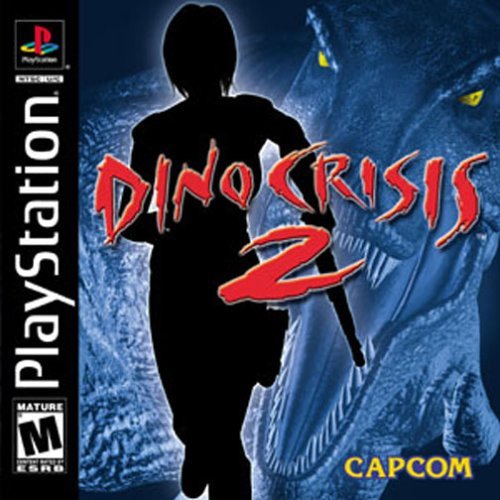 Console: Playstation, Windows
Released: 2000
Developer: Capcom
Publisher: Capcom
Digital Release? Yes, PSN version compatible with PS3, PSP, and Vita for $5.99
Price: $14.00 (disc only), $25.00 (complete), $50.00 (sealed) per Price Charting
Dino Crisis 2: The Lost World. Okay, it’s just Dino Crisis 2. Just a year after the first game, we get the second game from Capcom, and this time the developers decided to stray away from the survival horror gameplay and try take the series into a unique direction. This is where the series started to experiment and take a new direction in terms of gameplay and mechanics. So was the game a development success or should it be a forgotten fossil?
 Dino Crisis 2 has a rather complex plot from its predecessor. A city has vanished in time which was working with “third energy” and the survivors are now having to put up with some rather hungry Dinosaur residents. Regina from the first game and a team called TRAT (another great Capcom name) are sent through a time portal to rescue survivors. Surprisingly you begin the game as Dylan a generic looking army guy from TRAT. Throughout the game you will swap between Dylan and Regina who both use their own unique weapons. The plot is explained at the end of the game in a very long cutscene but it’s unlikely you will particularly care, the story really comes across as an after thought in this game.
Podcast: Final Fantasy X, X-2, and…XII?
 This week we are an ensemble cast with Andy from 42 Level One and Agents of Shieldcast as well as Eli from Knuckleballer Radio joining to discuss the main PS2 iterations of the Final Fantasy Series: X, X-2, and XII. As with all our FF eps, it’s a broad overview, but the discussion will help you understand what to expect from each iteration and what development changes were made. With the recent HD remakes of the X titles, you may just be tempted to give these titles a second glance.
 Gaming History 101