Posts Tagged ‘sonic the hedgehog’
Sonic X Shadow Generations Reminds Me I Still Can’t Connect With Sonic in 3D
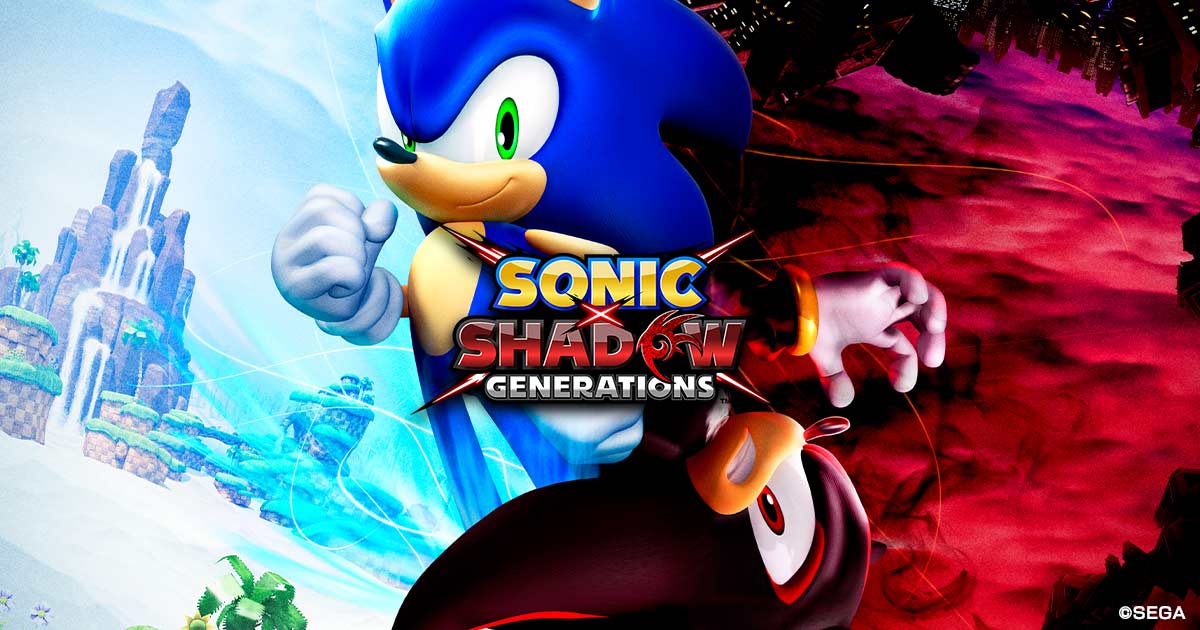
Longtime listeners of the Gaming History 101 podcast will recall that I have an issue with Sonic the Hedgehog’s legacy. While I admit not putting Sonic 2 on the Genesis/Mega Drive top 10 was as much a jerk move as it was sincere, those 16-bit games were great additions to Sega’s catalog. It was when Sonic went 3D that the entire franchise fell apart and it has never seemed to recover. The newest release by Sega, Sonic X Shadow Generations, is a hybrid remaster of the original Sonic Generations with an additional campaign for Shadow that proves Sega still hasn’t found the magic. I’ve often heard that Sonic Generations was the bastion of hope in the PS360 generation that proved a solid 3D Sonic title was possible, albeit with the conceit of 2D-esque levels as well. That was not my experience. I found it to have all the problems I struggled with all 3D Sonics and dragged my way through the first series of levels and boss just to verify it. While I admit that the updated Shadow campaign has some tricks to soften the blow of what is essentially an auto-pilot runner with some QTEs mixed in, the core design remains. Seeing that only the visuals and performance were touched in the Sonic Generations levels hinted that gameplay and quality of life features take a backseat to flashy visuals and nausea-inducing speeds. Granted, perhaps that’s what Sonic titles are in the 3D space and my biggest issue is that I either don’t accept that or I long for a Sonic game isn’t coming. Okay, let’s hash it out, today I finally admit to my appreciation for 2D Sonic titles and discuss my issues in the 3D titles that ruin the experience for me every time. Needless to say that if you are a fan of 3D Sonic titles or have ever referred to him as “The Blue Blur,” I’m likely to frustrate you.
For the Love of 2D
I received the Sega Genesis for Christmas in 1992, and at that time the promotion was a model 1 system with the original Sonic the Hedgehog in the box and you could send in a card to get the recently released Sonic 2 for free. Honestly, my draw to the Genesis was for the arcade-like titles and not necessarily for Sonic titles, but the urge to play them was undeniable. Sega made sure these titles employed graphical tricks not seen elsewhere, my personal favorite being the layered backgrounds in the bonus levels of the original Sonic. I also liked that it had simple controls of a d-pad and one button (all 3 buttons on the Genesis pad did the same thing) and it had vast levels of exploration. It’s the exploration part that oddly got lost in the mix of Sega’s advertising and game magazine coverage, but I feel confident that for most that played these early games the exploration was the experience. Sonic may have been able to go fast, but the game design would punish you for being to hasty and running ahead, especially in Sonic 2. For me it was discovering the many different routes through any given level and what pick-ups and secrets were found on the highest platforms or lowest depths. Exploration was also a necessity when I eventually played Sonic CD on the Sega CD a couple of years later, because that game migrated between the past, present, and future, with some obstacles only being overcome in certain locations at only one of the time periods. To me, Sonic is essentially an action platformer focused on exploration with the ability to go fast when the level permits, but the marketing presents a speed-running marathon play style that most do not engage with. This sin is doubled when Sega decided to use Sonic to go head-to-head against Mario, but aside from being mascot platformers the games hold little in common.
Read the rest of this entry »Lecture: Sonic the Hedgehog (16-bit)

Today’s lecture focuses on Sonic the Hedgehog, specifically the 16-bit releases. Fred and Jam team up to discuss the business status of Sega in the 90s, the Mega Drive/Genesis, and the blue furry mascot that was designed to take on Nintendo’s Mario.
Songs (in order of appearance):
Opening Theme – Sonic the Hedgehog (MD/GEN)
Chemical Plant Zone – Sonic 2
Carnival Night Zone – Sonic 3
Sonic Boom – Sonic CD (NA Version)
VGP Ep. 5: Footbag Action

This week we largely hop in the way back machine with Fred talking the Sonic the Hedgehog movie, Trees’ used game shop stories, and how it’s basically 1998 with the upcoming releases of a Doom sequel, Resident Evil 3, and of course our impressions of the Final Fantasy VII Remake demo.
Opening Song: Facehammer – Ozzed (find this and many other tunes at ozzed.net, don’t forget to donate!)
Closing Song: Those Who Fight – Final Fantasy VII Remake
Podcast: Sonic the Hedgehog, Re-Hash

This is an update on a topic from the past. This week Fred and Jam are re-hashing the original episode Blast Processing: The Story of Sonic (Part 1) and discussing Sonic the Hedgehog. As a change of pace, they discuss the iconography of the blue hedgehog and how he evolved over time. Be sure to listen to the end of the show for a very special message from Jamalais.
How Bad Could It Be: Sonic the Hedgehog (2006)
Formerly known as “Is it Kusoge?” the series has changed to “How Bad Could It Be?” and we’re playing notoriously bad games. In addition, these videos are more brief cut together highlight reels to determine what Fred thinks of the game. This time he’s looking at the 2006 release of Sonic the Hedgehog on Xbox 360 and Playstation 3. How bad could it be?
Warning: This video contains adult language.
Podcast: Genre Study – Platformers (Part 2)
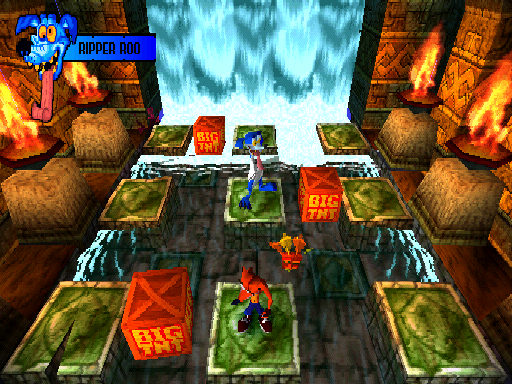
This week Fred and Jam wrap up the platformer genre study. They start with analysis the 16-bit era, which many consider to be the pinnacle of 2D platforming, and then move on to 3D. 3D platformers were an interesting impasse in that they marked the future of game technology and design while also making way for a strong batch of platformers that refused the third dimension.
How Product Design has Transformed the Amusement Industry
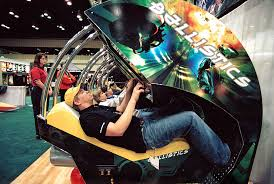
The term “arcade game” these days conjures up images of cutting-edge graphics and sound, combined with innovative and interactive technology that can bring any concept to life. However, good graphics and interactivity have not always been a necessity for a game that is both enjoyable and addictive. I dread to mention the recent phenomenon of the Flappy Bird app but it is an example of an outrageously faulty and basic game becoming extremely popular. This has been seen in the past with games like Space Invaders, Pac Man, Tetris and Asteroids following very basic concepts and graphics, but still being addictive and rewarding when completed.
The Really Early Days
The first arcade games kicked off at amusement parks and are still present at fairs and theme parks, but there’s nothing particularly sophisticated about them. Ring toss, throwing balls at stacked cans, shooting targets, and other simple challenges have been doing the rounds for hundreds of years and can still draw in the punters to this day. Just don’t go expecting an easy win. Perhaps this is what is indicative of a good game – making it appear simple whilst making it actually fiendishly difficult to win. Make it too hard, however ,and you are left with Zelda II.
Retro Game Night: Sonic Xtreme and Sonic Blast
This week we play the two 3D Sonic titles most of you have never touched. First up is the unreleased demo of Chris Coffin’s late in the development cycle version of Sonic Xtreme as discussed on this week’s podcast:
And next is the Brazilian Master System port of the Game Gear’s final Sonic title, Sonic Blast, which utilized much of the same technology as Donkey Kong Country:
Podcast: Top Scores
This week Fred flies solo again and he’s celebrating his favorite songs from video game soundtracks. The entire history of games is reflected from 8-bit and 16-bit to the glory of CDs and red book audio. Kick back with a good time wasting game and enjoy a journey through gaming’s musical past.
Download this episode (right click and save)
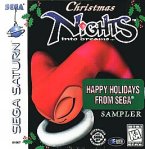
Review: Christmas Nights Into Dreams (Saturn)
 Console: Saturn
Released: December 1996
Developer: Sonic Team
Publisher: Sega
Instruction Manual: It did not have one – manual of the original game should suffice
Difficulty: Easy
Played it as a child? Yes
Value: $24.25 (used), $56.00 (new) (pricecharting.com)
Other Releases: Yes – A Japan only PS2 remake of Nights Into Dreams includes the Christmas content
Digital Release? Yes – included in the HD remake of Nights Into Dreams on XBLA and PSN, certain content removed (see below)
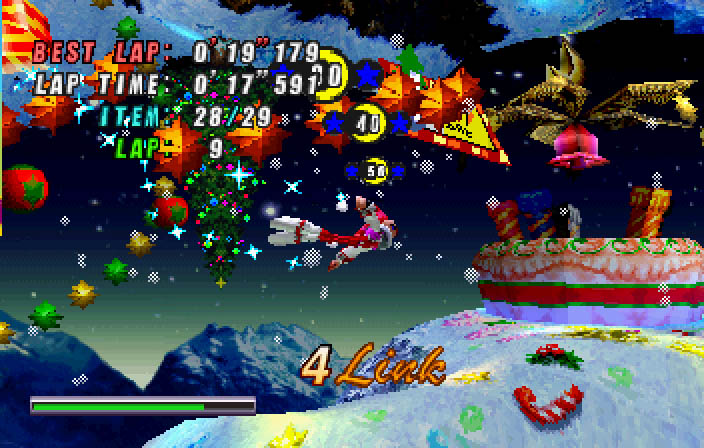
Christmas Nights Into Dreams is significant for several reasons, but most of all it’s one of the only Christmas themed games to ever come out. No, seriously, look through the vaults of retro console history, this is a holiday that is rarely celebrated save for games that focus on certain days (Animal Crossing, for example). In the winter of 1996 Sega was already in big trouble with the Saturn. At only about a year and a half old, Sony’s Playstation was killing it in terms of sales and there were few exclusive titles that generated any kind of buzz. Even Sonic, the faithful hedgehog that always seemed to sweep in and save Sega’s butt, hadn’t released a real game yet. Not only that, but this was the Christmas release of the Nintendo 64 and Mario 64 was selling out consoles nationwide. Nights Into Dreams was the only recent release on the Saturn that appealed to the typical gamer and with its colorful aesthetic, roots in platforming, and Sonic Team developer it was Sega’s best bet for the holidays. Under these circumstances Christmas Nights invaded the market in several forms from being a free pack-in with Christmas console bundles (that already included Nights), inside several magazines, a mail away/in store offer with certain game purchases, and even for rent at Blockbuster Video. This “sampler” title was everywhere, but only for about 45 days, and now it’s one of the more rare and sought after pieces of a retro gamer’s collection.
 Gaming History 101