Posts Tagged ‘retro’
Feature: Max Payne – A New Perspective

Growing up, I played Max Payne for the excitement I got out of the gameplay, that slow motion diving and shooting mechanic. It felt perfect when I was in my teens playing these games for the first time. It was over-the-top action fun. I wasn’t looking for realism or a great story, I just wanted to shoot things. The Max Payne games were a perfect fit with their smooth and methodical gunplay.
I’ve played through Max Payne 1 and 2 about four times each, always playing the second title just after the first. It isn’t hard to do. Each game is only about 5 to 6 hours long. If I wasn’t completing one of the games in less than 6 hours it sure as hell felt like I was.
Other things that kept me coming back were the locales. They’re iconic and memorable – a frozen New York City, a grimy subway station, a sleazy hotel, an old church turned gothic nightclub, just to name a few.

“Life knows two miseries: getting what you don’t want and not getting what you want.”
Even though the locales were iconic, the gameplay superb, and the playtimes short, the story of Max Payne was something I had never paid attention to. I haven’t played the first two games in years, but I recently went back and finished them again before playing Max Payne 3.
Friday at the Movies: Jurassic Park (Sega CD)
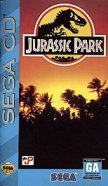 Console: Sega-CD/Mega-CD
Released: 1993
Developer: Universal Pictures/Amblin Entertainment
Publisher: Sega
Instruction Manual: Helpful – Link
Difficulty: Easy
Played it as a child? Yes
Value: $1.02 (used), $10.39 (new) (pricecharting.com)
Other Releases: No
Digital Release? No
When the movie Jurassic Park came out in 1993, it was an absolute phenomenon. People who had never read the book were picking it up in droves, and from what I could tell through conversation at that time almost no one actually read it. Dinosaur craze returned in full force as Michael Crichton’s novel about a genetic research company cloning dinosaurs on a Costa Rican island brought out the kid in everyone. Not only that, Spielberg’s film adaptation utilized cutting edge computer generated image technology along with stop motion and creature expert Stan Winston to create lifelike dinosaurs onscreen that amazed everyone. Jurassic Park was not only ideal for the medium it was on, the premise was tailor-made for marketing companies to merchandise the hell out of it. Back then development cycles were short and coordinating a solid game release along with a movie wasn’t so far-fetched, and honestly most home ports of the game were as diverse as it came across platforms and all pretty decent. My personal favorite has to be the Sega CD port, which merged details from both the movie and the book to create, of all things, a point-and-click adventure set on the island. The opportunity of exploring the vacant island and interacting with the dinosaurs was a great opportunity, but I didn’t come to appreciate it until I was much older due to the lack of action in the game.
 Set shortly after the abandonment of the island in the movie, you’re tasked with returning to Jurassic Park after the tragedy that befell its visitors and recover dinosaur eggs for rebuilding. Since the eggs are lost and you are unaware of Dennis Nedry’s specimen can, your only option is to sneak into the nest of the 12 given dinosaur species, recover an egg, and return it to the incubator at the visitor’s center. While locations remain in a controlled environment (you’re forced into fast travel movies that drop you into the screens you explore), there is an awful lot of freedom to roam about. What I found most iconic is the ability to explore areas like visitor center laboratory and even special access to Dr. Wu’s office, the tyrannosaur paddock and seeing the after effects of the attack on the SUVs that Tim, Lex, and Grant were in, and even a tense trip down the island river (which is never featured in the movie but a crucial part of the book’s plot) as dilophosaurs spit venom at you. While this sounds gripping and almost too high brow for 1993, you must remember that this game is a true adventure game not unlike the LucasArts and Sierra titles, which means action is few and far between. Even in the sequences where you do engage dinosaurs, the answer is always some sort of puzzle that usually has you dying quite a few times before figuring out the secret. I think most people who go into this game are imagining something that is a bit more interactive than it is, but if you approach it with an adventure game mindset it weaves an intriguing story.
Podcast: Project Revolution?
The Secret Technology to the Wii’s Insides
Fred and Rob “Trees” from EZ Mode Unlocked get together to help Nintendo bury the Wii. A console that soared above the clouds in sales and destroyed the hearts and souls of most core gamers, it has become the official punching bag of this generation. As usual, we discuss the myriad of titles the console had to offer in probably our largest list of titles and longest podcast yet on the site.
Review: Sewer Shark (Sega CD)
 Console: Sega-CD/Mega-CD
Released: 1992
Developer: Digital Pictures
Publisher: Sony Imagesoft
Instruction Manual: Helpful – Link
Difficulty: Moderate
Played it as a child? Yes
Value: $0.87 (used), $20.00 (new) (pricecharting.com)
Price: $3-$10 (used) – Since this game was a pack-in, almost never seen sealed outside console bundles
Other Releases: 3DO
Digital Release? No
Sewer Shark is another converted game from the canceled Hasbro NEMO console and was intended to be played using a VHS (just like Night Trap) although how they were going to do it is completely beyond me. Most of the games I covered last week were good concepts that resulted in okay launch games that were flawed either by long load times or just not fully fleshed out. I would argue that among the launch window titles, Sewer Shark is the exception. It is a complete video game that utilizes the video functionality of the console and combines it with simple gameplay mechanics to make a solid experience.
 Set in a post-apocalyptic world, the surface of Earth is unlivable and creatures are forced underground to dwell in drab conditions. Not only that but the creatures of the sewers have mutated, causing larger sizes (scorpions and bats) and hybrids (ratigators – a hybrid of rats and alligators) that make sewers a dangerous world to trek on foot. As a result, little ships that can navigate the sewers, known as Sewer Sharks, navigate the tunnels to get people around, hunt for food, and offer a promise of the one haven left on the planet: Solar City. In Sewer Shark you play a new pilot recruit (nicknamed “sewer jockey”) that has the overall goal of retiring in Solar City. Unfortunately almost every jockey that attempts the trek dies in a sewer crash or by the hands of some mysterious danger in Sector 19, the final stretch before Solar City. As best put by your co-pilot Ghost in the beginning, you receive, “a name, a boss, a friend, and a reason to live…a million pounds of tubesteak, that’s all you gotta deliver today hotshot!” in order to make it to the end. This is important because the game has a very simple task – navigate the sewers, kill enemies to collect points (pounds of tubesteak), and once you hit a million you get the final encounter. It’s a pretty decent setup and definitely a concept not overused in games at that point, unfortunately to collect all this information you have to read the manual and play close attention to the introduction that can be skipped by simply pressing start.
Review: The Adventures of Willy Beamish (Sega CD)
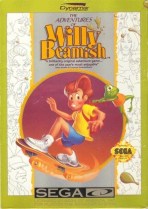 Console: Sega-CD/Mega-CD
Released: 1993
Developer: Dynamix
Publisher: Sierra
Instruction Manual: Not necessary
Difficulty: Moderate
Played it as a child? Yes
Value: $8.99 (used) $15.01 (new) (pricecharting.com) – Price for Sega CD version only
Price: $6.00-$10.00 (used) $88.00 (new) on eBay
Other Releases: Amiga, PC, Mac
Digital Release? No
Another early Sega CD release, while most of the games that came out near launch were cool new CD-ROM interactions and FMV games, The Adventures of Willy Beamish was a port of an Amiga point-and-click adventure title that received several enhancements on Sega’s system. Published by Sierra, one of the two major producers of the adventure genre at the time, Willy Beamish totes you along on an adventure of a nine-year-old boy and the several decisions and influences you will deal with. Beamish is somewhat of a troublemaker as established by the opening scene in detention on the final day of school before summer break, which begins your adventure by sneaking past your ancient teacher and getting home. In typical Bart Simpson emulation for the time, Willy rides a skateboard, has a pet frog, and is prone to causing problems for any adults in his wake. From then on an amusing tale of a young boy saving his town unfolds that has you doing everything from the mundane – playing with your younger sister on the swingset – to the completely crazy – combat with a vampiric babysitter. As much as many critics have compared this game to a storybook come to life, little touches like a playable video game console in your bedroom and somewhat brancing plot paths show impressive game design for the time.

Review: Sherlock Homes Consulting Detective (Sega CD)
 Console: Sega-CD/Mega-CD
Released: 1992
Developer: ICOM Simulations
Publisher: Sega (Sega/Mega-CD)
Instruction Manual: Not necessary
Difficulty: Moderate
Played it as a child? Yes
Value: $5.99 (used) $11.99 (new) (pricecharting.com) – Price for Sega CD version only
Price: $5.00-$10.00 (used) N/A on US Version (new) on eBay
Other Releases: FM Towns (original release, Japan only), DOS/MAC, Commodore CDTV, Turbografx-16 CD
Digital Release? Yes – an updated version with better video quality released on PC, Mac OS X, and iPad in late Sept. 2012
Sherlock Holmes Consulting Detective is a bit of an anomaly in the realm of video games. Much like Myst, the game premiered on CD-based consoles and computers to show off the benefits of the new technology, but was much less of a game than it was an interactive form of media. A basic interface allowed the player to navigate various options and view content (mostly video) in order to solve one of the popular cases that originally appeared in the novel by the same name. To show off all of the fancy marvels of a multimedia CD-ROM title there was complete focus on showing off content rather than optimizing any aspect of the game for quick playing, resulting in a few simple actions taking ridiculous amounts of time to accomplish. I was recording gameplay videos for this article last night and it took more than 30 mins just to capture the “tutorial” that includes many icons, each with its own slow loading audio (no subtitles) background, and a video from Sherlock Holmes himself. It was so slow-paced and boring to capture, I made the executive decision that it would be even more boring to watch and scrapped the video. Don’t let this discourage you, especially with the re-releases likely having no load times, Sherlock Holmes Consulting Detective is a thought-provoking hybrid between the adventure genre and the full motion video (FMV) game.
Review: Final Fight CD (Sega CD)
 Console: Sega-CD/Mega-CD
Released: 1993
Developer: Capcom
Publisher: Sega (Sega/Mega-CD, 32X CD)
Instruction Manual: Not necessary
Difficulty: Hard
Played it as a child? Yes
Value: $21.50 (used) $76.00 (new) (pricecharting.com) – Price for Sega CD version only
Price: $23-$60 (used) N/A on US Version (new) on eBay
Other Releases: Arcade, SNES, Gameboy Advance
Digital Release? Yes – SNES version on Virtual Console ($8), Arcade version on XBLA/PSN as Double Impact ($10)
Final Fight is a pivotal late 80s arcade release for Capcom for two reasons: it established the norms that would make up the concept of the “beat-em-up” genre for its short-lived life (although it oddly enough didn’t introduce any of them) and it created the aesthetic and building blocks of Street Fighter II. Anyone who has played this game or SFII will immediately be familiar with that semi-realistic semi-animated graphical style of Final Fight that remained exclusive to these two titles moving forward for a few sequels (I’m considering the numerous re-hashes of SFII to be sequels). In full disclosure this is my favorite brawler of all time and definitely ranks highly in my overall top games I’ve ever played despite the fact that Final Fight doesn’t translate well to home consoles because it’s intended to take your money and prompt more quarters rather than be completed in a finite number of lives/credits. In order to complete the game in the allotted five credits requires you to memorize the cheaper boss battles and exploit the collision detection. For me it was just repetitive stupid fun.
Great Retro Halloween Games That Aren’t Scary

Happy Halloween to all of our lovely retro readers. All month we’ve been chatting about horror gaming, ominous dark rooms, and I’ve been spending one moment in Silent Hill and the next running from the Slenderman. I thought it might be fun to finally offer some retro Halloween gaming for the timid, nervous, screaming little scaredy cats out there. Yep, you read that correctly, here’s a list of fun Halloween videos games that aren’t intended to scare you.
Grand Theft Auto Vice City Turns 10 (PS2/Xbox/PC)
 Console: Playstation 2, Xbox, PC
Released: 10/29/2002 (US, PS2)
Developer: Rockstar North
Publisher: Rockstar
Difficulty: Moderate
Value: $0.88 (used) $8.25 (new) (pricecharting.com) – Prices for PS2 Version
Price: $5.00-$10.00 (used) $10-$20 (new) on eBay
Digital Release? Not Yet – ESRB suggests a PS3 and possibly Xbox 360 release and iOS/Android app should be out any day
When Grand Theft Auto III hit the Playstation 2, Rockstar North single-handedly proved that it could make a clearly defined, open world that players could explore in a fully rendered 3D city. It wasn’t until the follow-up, Grand Theft Auto Vice City, that the studio gave this concept personality. Some think of it as a sequel, but in retrospect Vice City was merely an update to the engine that allowed to tell a side tale, which would be made available nowadays as a large DLC add-on. It basically retells the story of Scarface within the GTA III engine, but adds enough detail and flair to the mix to place it among one of the top rated games of last generation – and even garnered it a sequel that started life on PSP and moved to the more prevalent PS2. Personally, this is my favorite game in the series because it’s clever storytelling promotes completion of the campaign while the familiar 80s soundtrack brings me back to the early days of my youth.
Review: Retro City Rampage
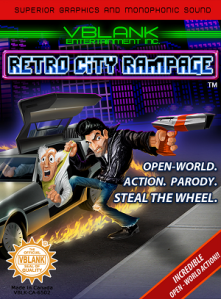 Every now and again a video game comes out that completely embraces the culture of growing up with gaming, most of these developers being in their 30s and were kids in the 80s during the so-called “Nintendo Generation”. These games borrow commonalities with their aged ancestors, but refine the years of innovation and can generate an even better title than was possible back then. Retro City Rampage (RCR) doesn’t really do that. Instead, this game packs itself to the brim with 80s pop culture references while walking, talking, and acting just like a classic 8-bit Nintendo game. While the nostalgia factor, especially for a gamer like me and readers like you, is always a welcome addition, it does cloud the focus of the developers to the point that the gameplay is a jack of all trades and expert of none.
Retro City Rampage actually started life back on the original NES as a homebrew project. Designer Brian Provinciano began the project in 2002, building his own NES dev kit and trying to “demake” – a term used for modern games remade on classic consoles – his favorite titles, one of which was Grand Theft Auto III. For years he was creating technical breakthroughs on Nintendo’s old gray box and possibly pulled off a faithful demake entitled Grand Theftendo before deciding to scrap the NES limitations and continue in PC development. By 2007 he decided to integrate some classic game references (leading to pop culture references as well) and eventually creating the original title Retro City Rampage. If this hasn’t already become abundantly clear, those that didn’t grow up playing Nintendo games will likely be lost on the (sometimes obscure) references. That doesn’t stop this GTA clone from still being an amusing romp and shouldn’t discourage anyone who would like to check out what is ultimately a decent-sized game that doesn’t lose pace, even at the end.
 Gaming History 101